



School districts face no shortage of important decisions.
How do you respond to changing enrollment patterns? How do you balance competing priorities while remaining focused on student success? Where should you invest limited resources? How do you ensure facility decisions support your district’s long-term goals?
While these questions often emerge during facility planning, bond planning, or master planning, the strongest districts understand facility decisions should follow strategy, not drive it.
That’s why they start with strategic planning.
In our work with school districts, one lesson consistently emerges: the most effective facility decisions are built on the foundation of a clear strategic vision.
Strategic Planning Is About Alignment
The most successful strategic planning efforts aren’t defined by the process itself. They’re defined by the alignment they create.
When district leadership, staff, board members, and community stakeholders share a common understanding of priorities and goals, future decisions become clearer. Strategic planning provides a framework for evaluating opportunities, allocating resources, and ensuring investments support a district’s long-term vision.
What Leading Districts Are Doing Differently
Across the Midwest, districts are using strategic planning to create clarity and guide decision-making.
- Grand Haven Area Public Schools (MI) emphasized stakeholder engagement and data collection to help establish future priorities.
- Kentwood Public Schools (MI) has taken a transparent approach, using public-facing dashboards to track strategic goals and progress.
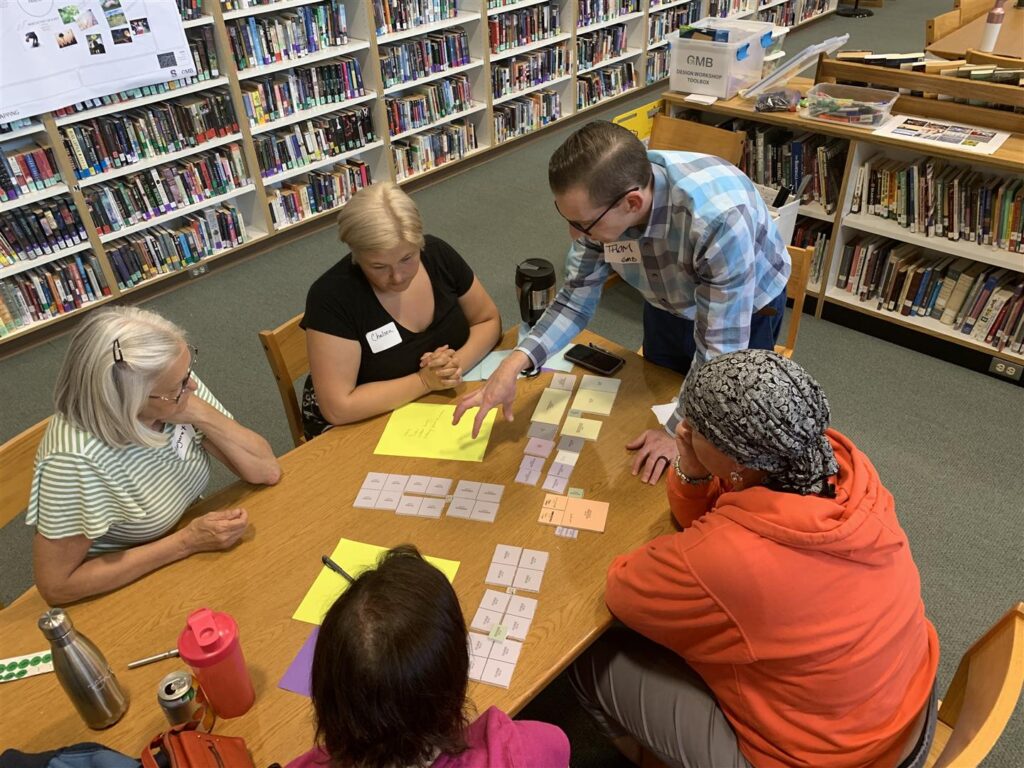
- North Boone CUSD (IL) centered its process on facilitated discussions, prioritization exercises, and consensus-building to identify community priorities.
While each approach differed, all shared a common goal: creating a framework for future decisions rather than simply producing a plan document.
The Best Plans Become Decision-Making Tools
A common misconception is strategic planning ends when the plan is published.
The strongest districts view their strategic plan as an ongoing decision-making tool.
When new opportunities or challenges arise, leaders can ask:
- Does this support our goals?
- Does this align with community priorities?
- Will this help achieve our desired outcomes?
- Is this the best use of our resources?
Rather than chasing every opportunity, strategic planning helps districts stay focused on what matters most.
Data and Community Voices Matter
The most meaningful strategic planning efforts balance quantitative data with stakeholder input.
Data helps districts understand enrollment trends, facility utilization, demographics, and performance indicators. Stakeholder engagement helps leaders understand community values, aspirations, and priorities.
Together, they provide a more complete picture of the future and a stronger foundation for decision-making.
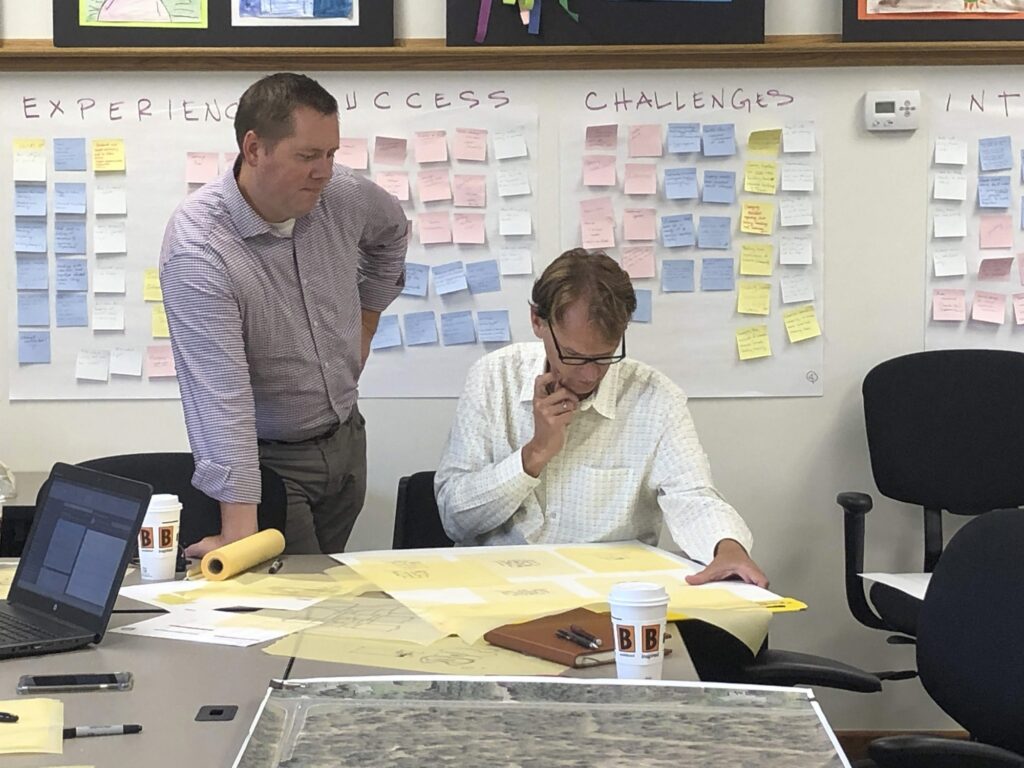
From Vision to Action
One of the greatest challenges districts face is moving from vision to implementation.
Strategic planning is most powerful when it’s connected to other planning efforts, including community engagement, facility planning, enrollment analysis, and capital investments.
Many district priorities have direct facility implications:
- Supporting new learning models
- Expanding career and technical education
- Responding to enrollment shifts
- Improving operational efficiency
- Enhancing student wellness and safety
Facilities are not the goal. They are tools that help districts achieve their goals.
When strategic planning serves as the foundation for future decisions, districts can move more confidently from vision to action.
Looking Ahead
As districts continue to navigate changing demographics, evolving educational needs, and increasing community expectations, strategic planning will only become more important.
At GMB, we’ve seen how the strongest outcomes occur when strategic planning, community engagement, and facility planning work together to support a shared vision.
Because before districts decide what to build, renovate, or invest in, they must first answer a more important question:
What kind of district do we want to become?
Strategic planning helps answer that question and creates the roadmap for everything that follows.