



How school environments can strengthen community confidence, improve retention, and support long-term district growth.
When district leaders discuss enrollment trends, the conversation often starts with demographics. Birth rates, housing growth, migration patterns, and population forecasts all help shape expectations for future enrollment.
But demographics only tell part of the story.
Today’s families have more educational choices than ever before. As school choice, charter schools, and neighboring district options continue to grow, retaining and attracting students requires more than understanding who lives within district boundaries. It requires understanding why families choose one district over another.
Among the many factors that influence those decisions, facilities are often overlooked.
While families rarely cite building conditions as the primary reason they select a school, facilities shape perceptions of the educational experience. They influence student learning, staff satisfaction, community pride, and confidence in a district’s future. As a result, facilities planning has become an increasingly important component of long-term enrollment strategy.
More Than Buildings
Facilities are often viewed through an operational lens: replacing aging infrastructure, addressing maintenance needs, or improving building systems.
Strategic facilities planning goes much further.
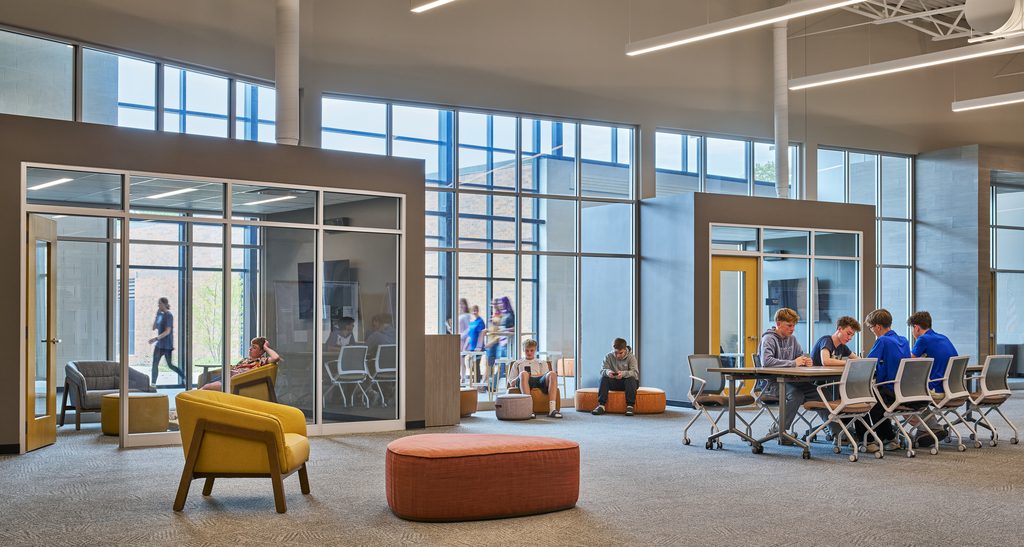
School buildings create first impressions. They help support academic programming, student engagement, and teacher effectiveness. Modern learning environments can reinforce a district’s commitment to students and staff, while outdated facilities may make it harder to recruit employees, retain families, or compete for enrollment.
Most importantly, facilities help districts deliver on their educational vision. Whether supporting early childhood programs, STEM education, career pathways, or flexible learning environments, school buildings can strengthen the overall student experience. The most successful facility plans aren’t focused solely on buildings. They’re focused on outcomes.
Looking Beyond Enrollment Numbers
Enrollment trends tell district leaders what is happening. Metrics like resident capture can help explain why.
Resident capture measures the percentage of school-aged children who live within a district’s boundaries and choose to attend that district. As educational options continue to expand, it provides valuable insight into how families view their local schools.
When resident capture improves, it can indicate growing confidence in the district’s programs, culture, staff, and overall educational experience. While facilities are only one piece of that equation, they help shape the daily experiences and perceptions that influence family decisions.
For district leaders, the question is no longer simply whether students live within district boundaries,it’s whether families believe their local schools offer an experience worth choosing.
Facilities as Part of a Broader Strategy
The strongest enrollment outcomes rarely stem from a single initiative. Instead, they result from multiple strategies working together.
Districts that successfully attract and retain students often align facility planning with goals such as:
- Supporting evolving instructional models
- Improving building utilization and operational efficiency
- Expanding specialized programming opportunities
- Enhancing staff recruitment and retention
- Strengthening community pride and confidence
- Positioning the district for long-term sustainability
When facilities planning is integrated into a district’s broader vision, investments can create value that extends far beyond the building itself.
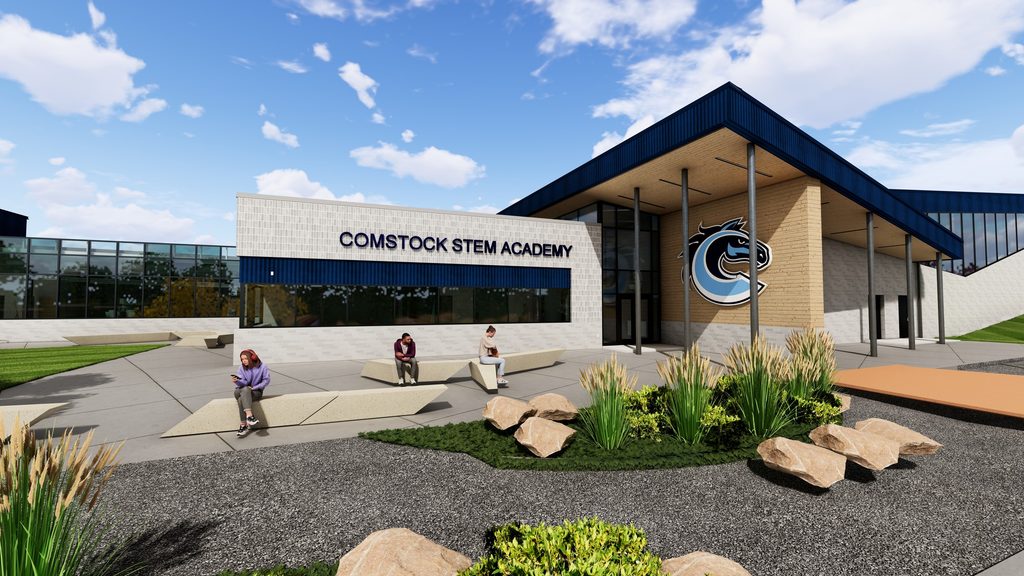
Lessons from Comstock Public Schools
Comstock Public Schools, a district in Michigan, provides a compelling example of this approach.
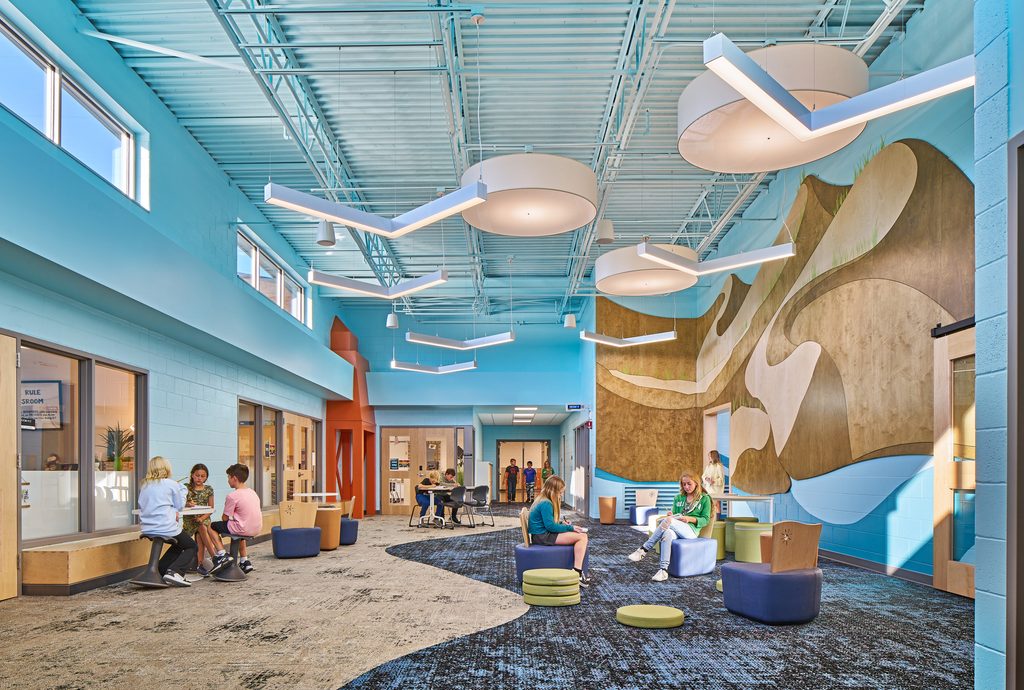
After decades of enrollment decline driven by economic challenges, demographic shifts, and increased competition for students, district leaders began viewing facilities as part of a broader strategy for change. Bond-funded improvements, district reconfiguration efforts, and investments in specialized programming helped modernize learning environments and better align facilities with district goals.
At the same time, the district focused on staff recruitment, retention, and student achievement. The result was several years of enrollment stabilization and growth, improved resident capture rates, and a significant improvement in its Schools of Choice position. The takeaway is not that new facilities automatically lead to enrollment gains. Rather, Comstock demonstrates how facilities can support a comprehensive strategy focused on improving the experience of students, staff, and families.
Planning for the Future
District leaders cannot control birth rates, the local job market, or housing supply and prices. But they can influence how families experience their schools.
Every facility decision communicates something about a district’s priorities and its vision for the future. Whether through modernization efforts, program expansion, or the creation of more effective learning environments, strategic investments help shape the conditions that support enrollment and retention.
The connection between facilities and enrollment may not always be obvious. Yet as districts continue to navigate demographic change and increased competition, one thing is becoming clear: facilities are more than places where education happens. They are an important tool for building trust, strengthening communities, and creating environments where students and families choose to stay.